
Where Do We Go From Here?
How do you write a good sequel?

Welcome back!
As I mentioned in my last newsletter, I have been engaged in writing and drawing a sequel to my graphic novel, The Hard Switch. It’s been a difficult process this time around, for a number of reasons, but I’m very much into the final furlong now. So, I thought I would take this opportunity to talk about the first part of the endeavor - the writing.
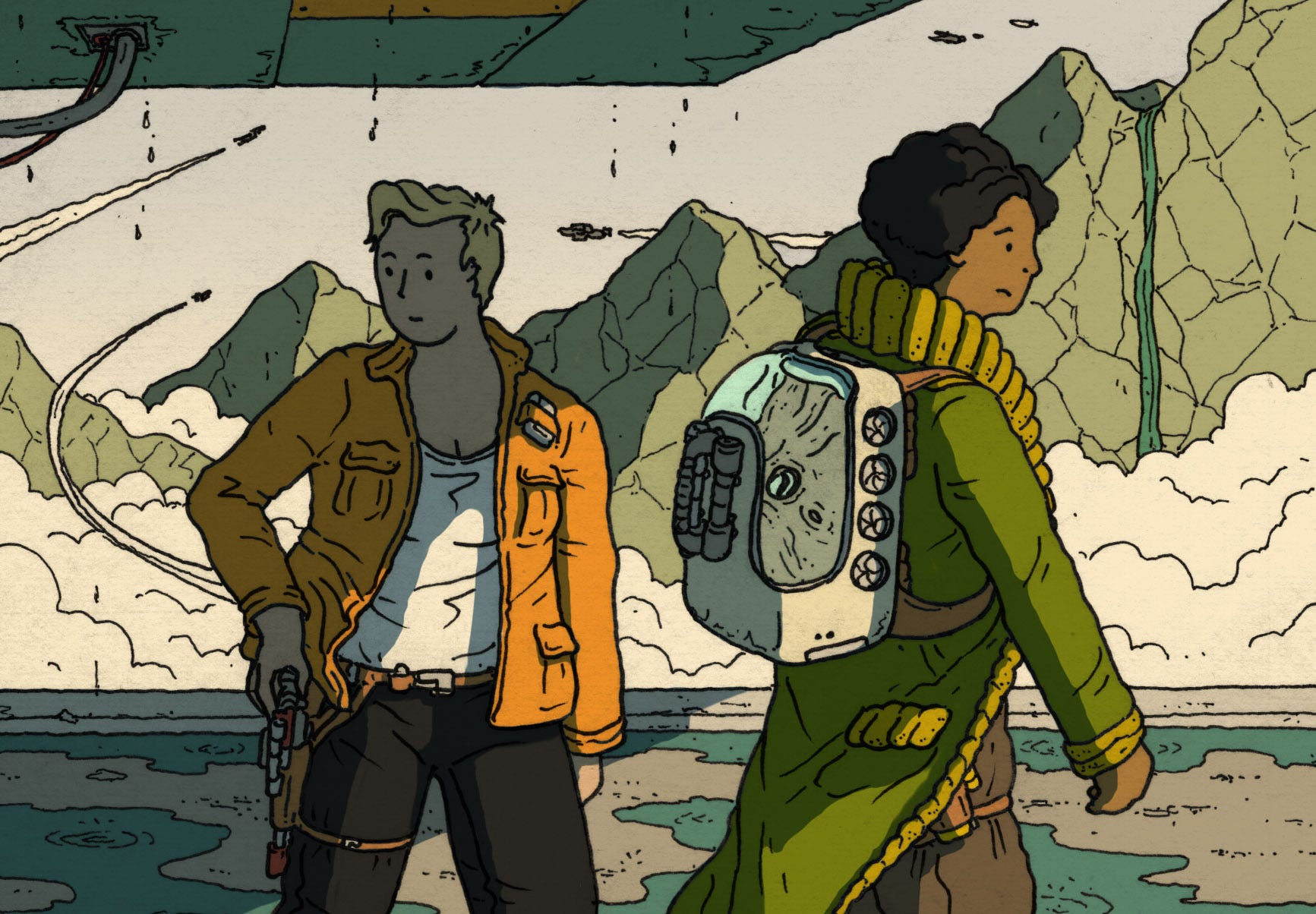
I have never written a sequel before, and while The Hard Switch was always written as a slice of larger narrative, it was only when I actually engaged with the next section that I came up against all the pros and cons of writing a story that extends beyond the last page.
Let’s start with a positive; so much early establishing exposition is taken care of. When making the first book, I felt like I spent a huge amount of time during the script stage trying to smuggle exposition through to the audience in a naturalistic way. Even visual exposition (that happens in graphic novels), such as making that the reader understand what it’s like on board the ship, is needed to orientate themselves enough to follow what’s going on. Beyond the general situation (what’s going on in the galaxy) and the immediate environment (what’s going on in the ship/room), I also have to establish who these characters are, and hopefully make people care about them too. To do this naturalistically takes time (pages) or else it comes across as rather clunky.
In a sequel, all of this is taken care of already. The reader knows where they are, they know, and hopefully like, the characters, and are already excited to see what they get up to next. But there in lies the first problem. The audience now has a stake in the story, and whether they know it or not, they have claimed some ownership of it too. As a result, there is now a direction you can go that some people will expect and be happy about, and others, less so. You can’t really disappoint anyone with an initial original story, it just is, or isn’t, for them. But there’s a certain sting to experiencing something that IS for you, only to then have it made NOT for you in the second act.
Conventional wisdom is that you shouldn’t be writing with the audience in the forefront of your mind, but to forget about them completely is also psychopathic. You’re writing a book. Y’know, for people to read.
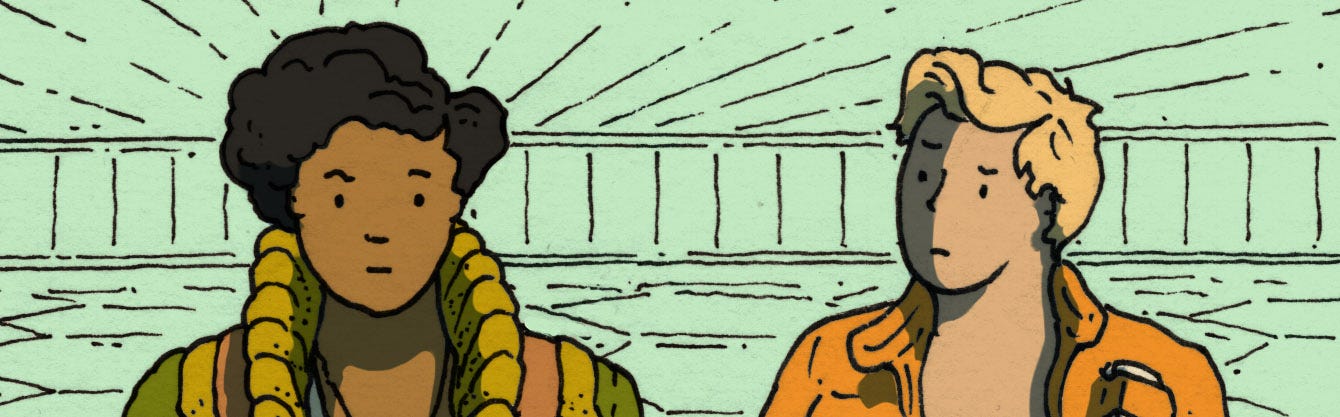
This comes to the next point, which has plagued artists, in all mediums, that world over. Will the next thing be ‘same again’ or a genuine evolution of the thing? When outlining the story for the Hard Switch 2 (title TBD), in became clear that every scene or situation had the potential to slip into repetition. A plot sometimes feels like a river, and you can put stuff in it’s path to direct it’s flow, but you can’t make water do the impossible. It can’t turn a right angle, or go uphill, it has a natural geometry of its own. So, despite various geographies and geologies, rivers the world over have some similar defining characteristics - much like plots. Cliches become cliches for a reason, as they are often great vehicles to surmount common speedbumps.
The Hard Switch is not a huge book, but I still found that scenes in the sequel started to follow similar beats, or even just similar locations, and I had to fight hard to pull them in a more original direction. Even classic narratives like Star Wars hit this issue. The first film is original, The Empire Strikes Back changes and elevates. But by the time we reach Return of the Jedi, we hit repetition. We’re back on the desert planet, there’s a second Death Star, etc, etc, and the franchise has been in a endless death spial of repetition ever since.
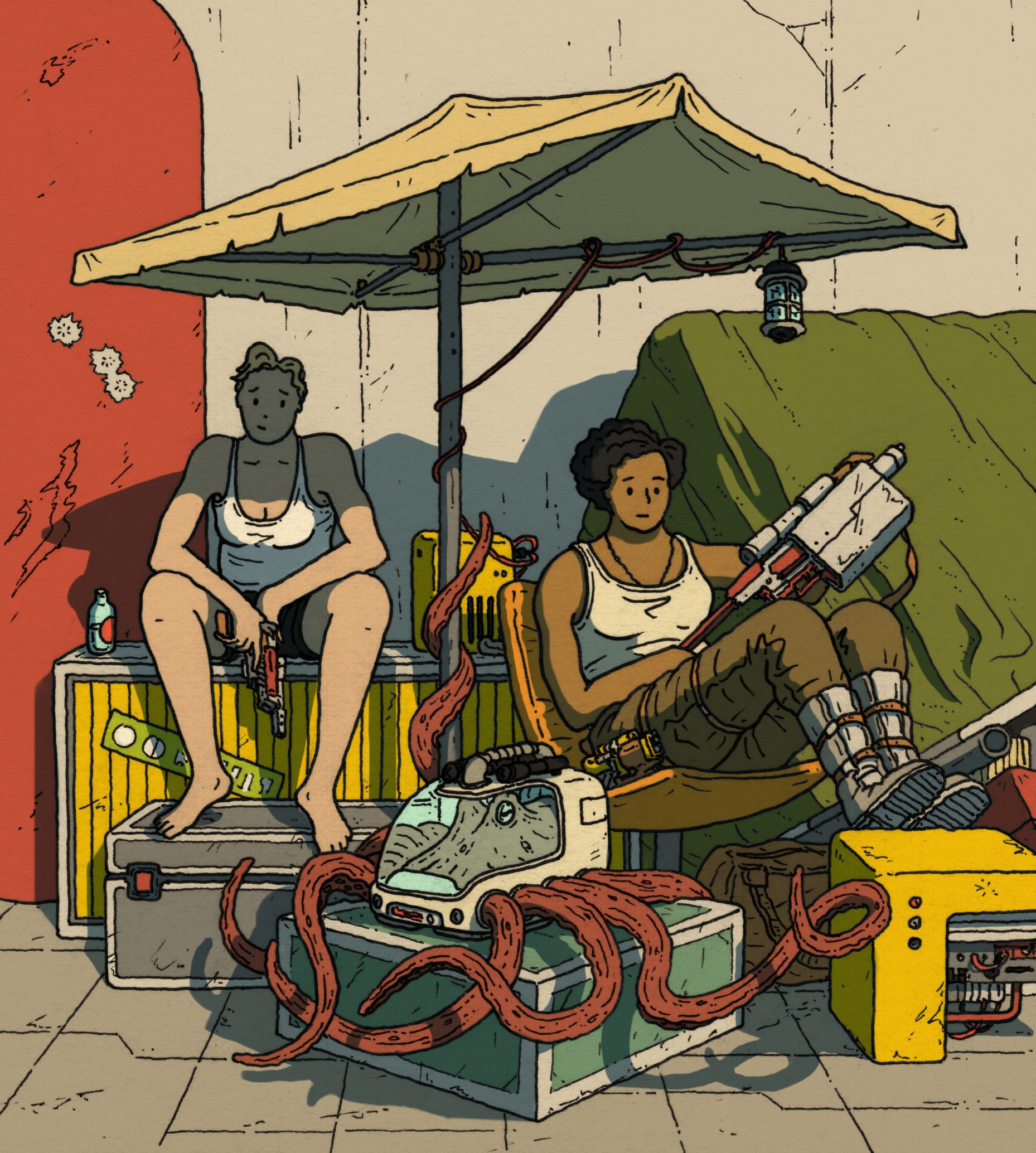
A sequel is also not a sitcom. All the pieces do not reset and go back in the box for the next episode, it has to develop and move forward. One of the biggest pitfalls (and personal mantras) is the classic bit of film school advice of, ‘don’t have repetition without escalation’. Much as people think they want more of the same, they will always become bored eventually.
The golden goose is obviously to develop the story in a way that the readers do not expect, but it’s even better than the version that they’ve subconsciously written in their heads, taking an elevated jumping off point that wouldn’t have attainable without the first chapter and pulling off an even better trick. Which is obviously easier said than done.
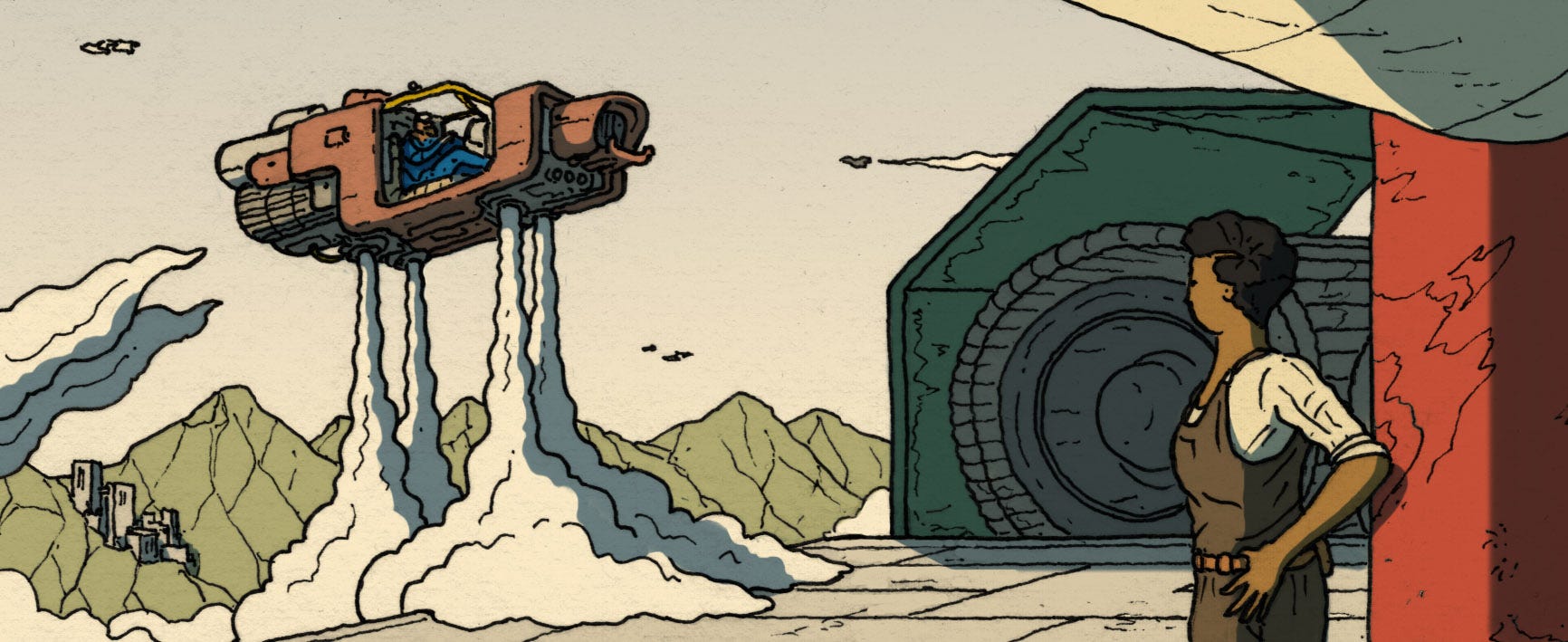
It’s a difficult balance, as we see in our current narrative media trend for longform story telling, and I know I’m not the only one fatigued by long running seasons of TV and film. Yes, there is deep satisfaction in seeing well developed characters and stories play out over time, but personally, I don’t enjoy hanging out with characters in rotating situations indefinitely for the sake of it, however entertaining they or the premise are.
I really enjoyed Succession, for example, but I’m not sure I could have gone around the carousel again for another season without any significant development. And it’s testament to how well written that show was that I stuck around as long as I did. I do appreciate that people’s millage on this kind of thing does vary hugely, there is an audience that just wants to enjoy something purely for the ‘vibes’ (sorry), and that’s okay I guess, but I don’t think that’s me. And I don’t think those are the stories I want to tell either.
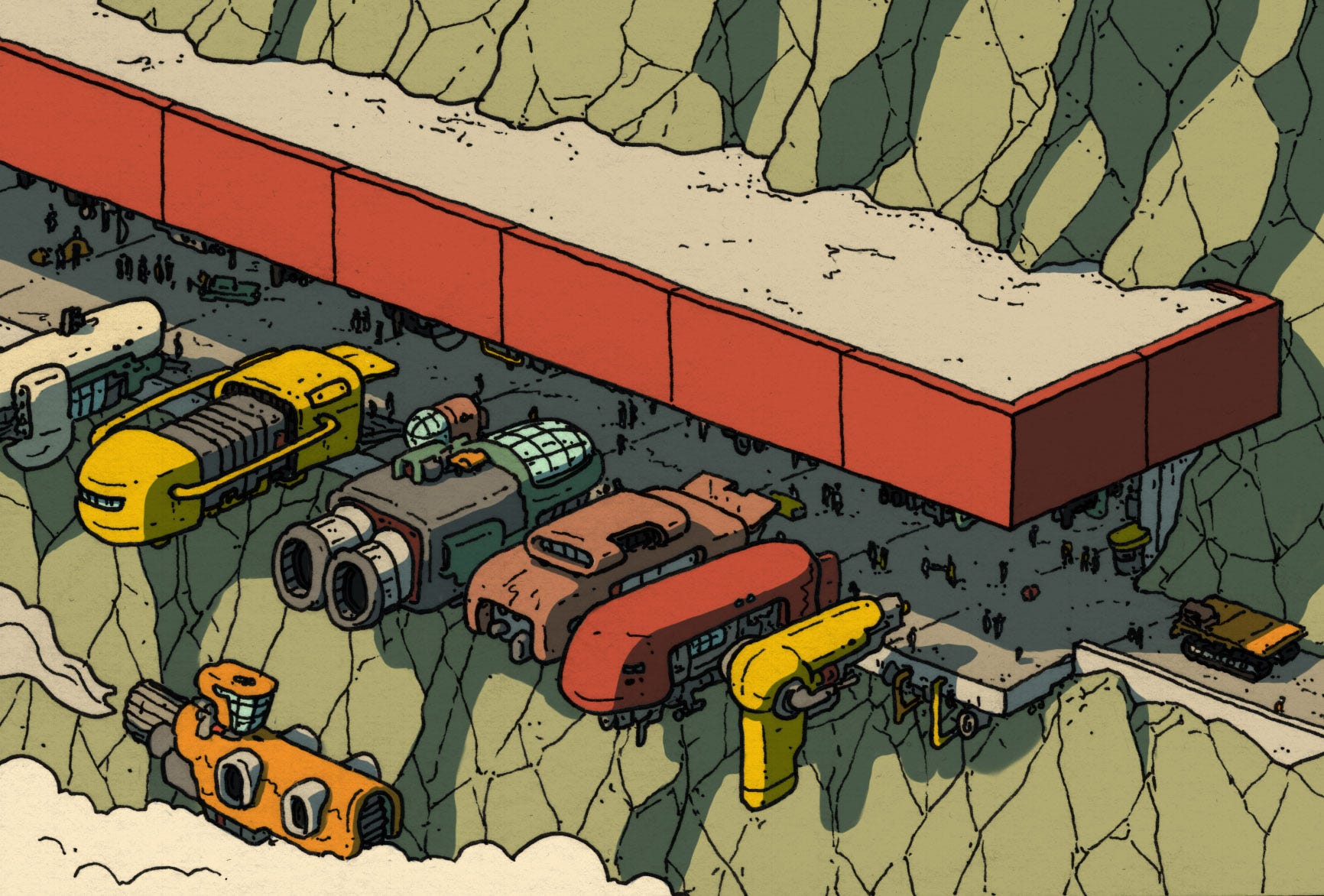
So, there are a lot of constraints, some mental, and some physical. And there are far more elements than the ones that I’ve outlined here, all frequently working in opposition to each other. The best analogy I can give is that it’s like trying to solve a Rubix cube. You can get one side perfect and the rest is a mess, and the difficult part is knowing that you have to mess up the one good side you’ve just got sorted out to have any hope of getting the rest of it in order.
But luckily, I’m past the writing part of the process, and I’m deep in the drawing and colouring stage. So, whether I have succeeded or failed in my aims is already written, which is a weird place to be, when you think about it. Making anything longform is huge act of faith, and there have been some testing moments on this one, made extra surreal by the fact it all happens behind closed doors.
Something that helped with that recently was attending a new comic show in South London called ARC, where I was on the Avery Hill Publishing table selling books and prints. It was a mercilessly hot day, but it was such a great and well organised event that I ended up having a really nice time. I’d not tabled anywhere in a while, and was feeling a little burnt out on my book, but it was incredibly rejuvenating to hear that people were excited for the sequel and how much they enjoyed The Hard Switch. It kind of gave me a much needed jolt of adrenaline. So, if you were one of those people who swung by and said ‘hi’, or picked up a book, I really appreciate it.


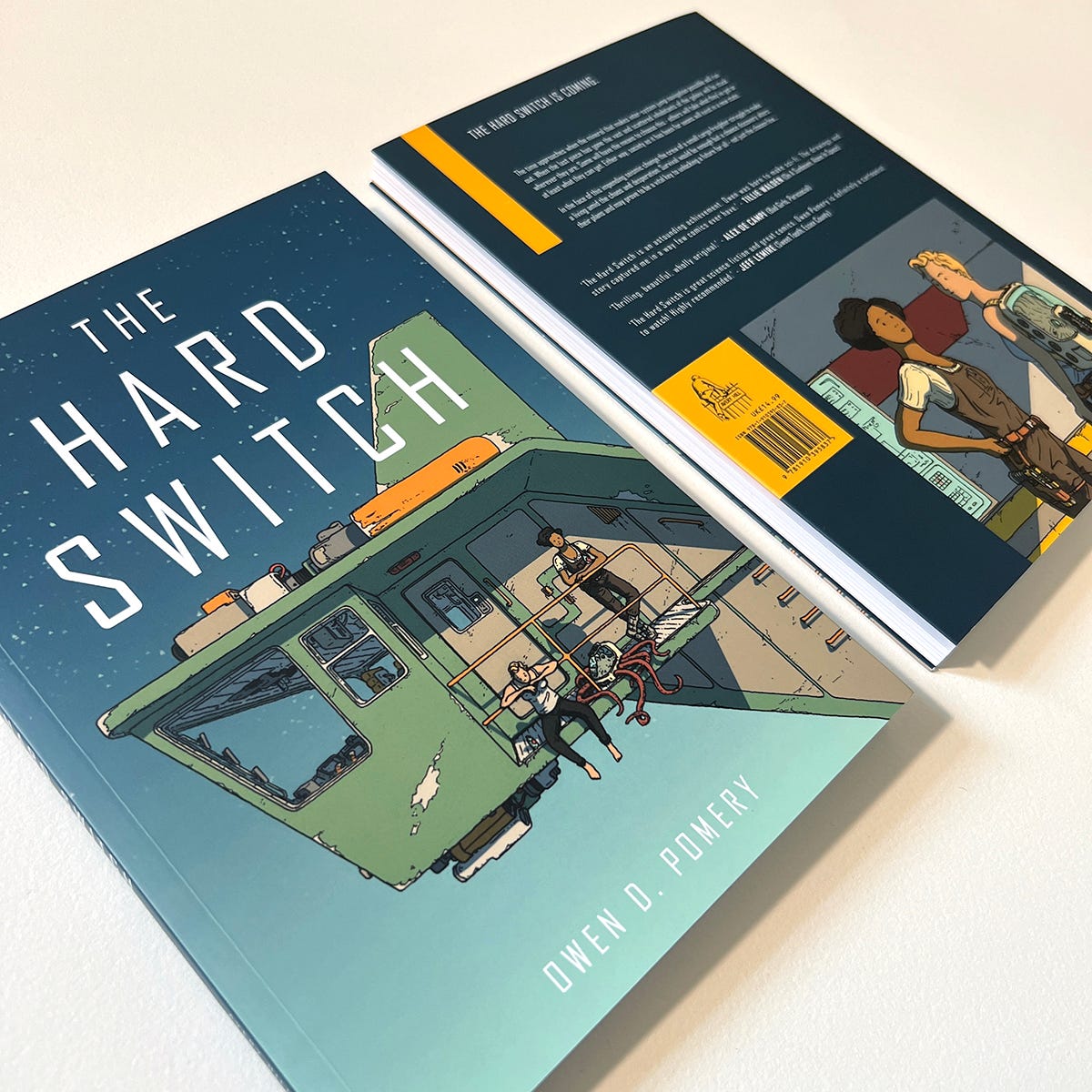
Okay, let’s leave it there, I almost drifted into sincerity for second, didn’t I? I blame the heat. If this continues, the kiosk might start stocking choc ices, and it’s a slippery slope from there. If you would like a copy of The Hard Switch though, to get yourself excited and ready for the next one, then you can get it from all good bookshops, or straight from the guys at Avery Hill HERE.
Anyway I hope you’re all surviving whatever is going on in your part of the world and I will see you all again soon.
Owen D. Pomery.

Very exciting to hear the Hard Switch sequel is in relatively advanced stages! All the best with the remaining work.
It would be interesting to hear more about your process on approaching a long form project like this For example you say you finished the writing first, is that always the case? Your Rubik's cube analogy is very good, it sounds like there are a lot of dimensions to consider when working on something like this!
Put me down for a choc ice and let me know if the Kiosk starts serving cocktails... 👍
One of the best science fiction comics I've ever read.
Bravo, and thank you for this second volume.